 English
 Magyar
In this guide RoomRaiser 2.0 at a glance
RoomRaiser 2.0 was introduced in early 2025 after a year of close work with hotels and accommodation providers. Their feedback shaped both the pricing workflow and the way information is presented in the system.
This article records the main changes announced with that release. It explains how the platform moved towards a clearer interface, more flexible control and a more connected daily pricing process.
RoomRaiser 2.0 at a glance
The release brought eight closely related improvements into one workflow.
The individual features matter, but the larger change was how they work together. Hotel data, market context, recommendations, review and publishing became parts of a more continuous pricing process.
Clearer daily pricing decisions
The redesigned interface focused on the calendar, future dates and the information needed for everyday rate decisions. Users could review dates that required attention more quickly and understand which settings or signals influenced a recommendation.
The pricing logic was also expanded to consider more property-specific and market parameters. These settings could be adjusted during implementation to reflect the hotel’s positioning, operating model and commercial priorities.
This combination supports faster administration without turning pricing into a black box. The system prepares the calculation, while the hotel retains visibility and control.
From hotel data to published rates
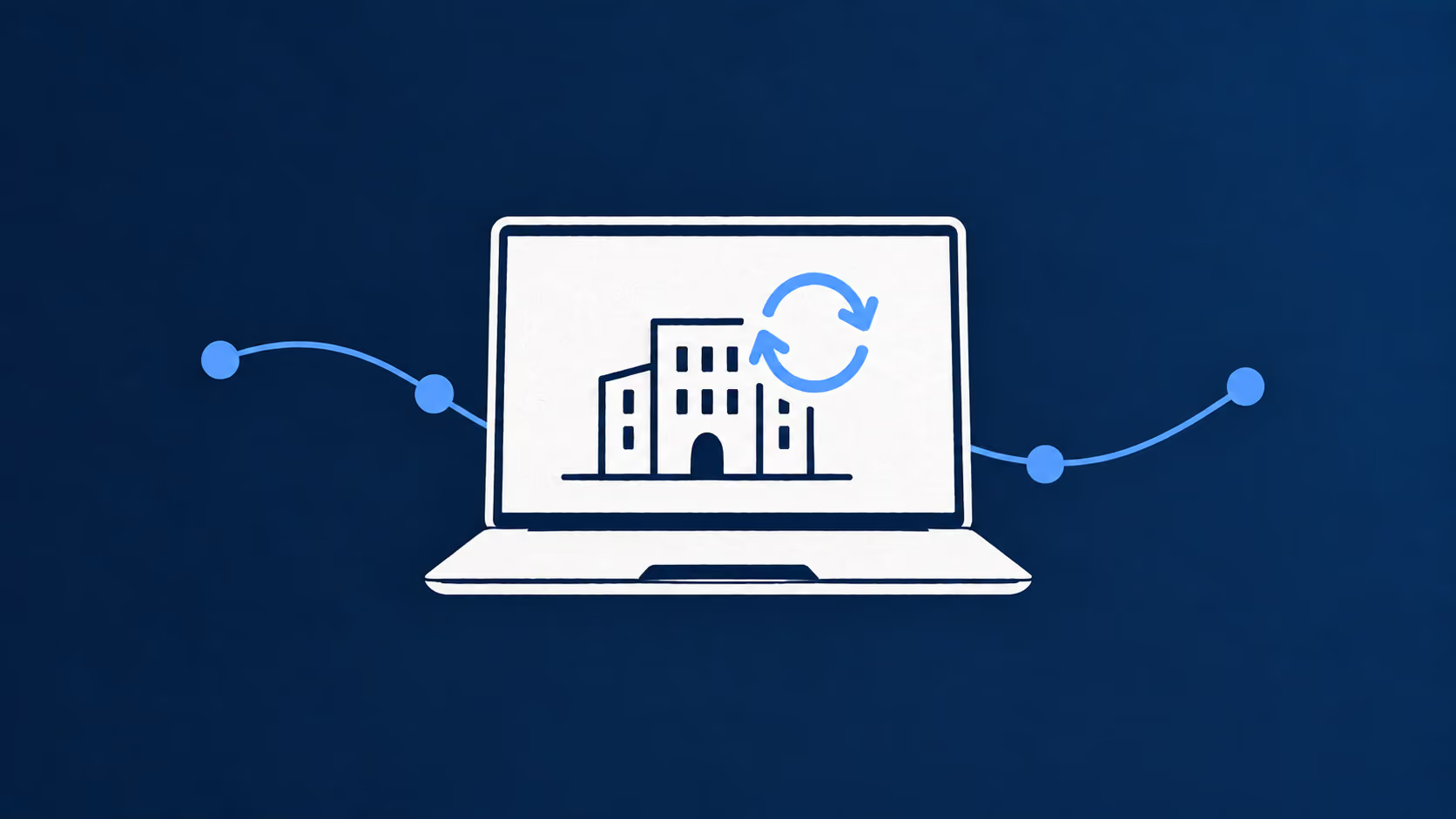
Two-way connections with property management systems and channel managers were a central part of the release. They allow operational data to reach the pricing workflow and approved rates to return to the connected distribution environment.
The Previo integration provides one example of how PMS data and RoomRaiser pricing work together.
Hotels can choose how much automation fits their process. In a reviewed workflow, a person approves the recommendation before publication. With automatic pricing enabled, the system can update rates according to the configured rules. Clear parameters and exception handling remain important in both cases.
More precise room and currency controls
Room types do not always have the same capacity, demand pattern or commercial value. RoomRaiser 2.0 introduced more specific controls so that pricing could reflect these differences instead of applying one undifferentiated rate logic across the property.
The release also added support for rates in currencies such as HUF and EUR. This made the setup more practical for properties whose commercial or distribution requirements involve more than one currency.
Together, these controls gave hotels a more accurate way to represent their room structure and pricing environment inside the system.
AI-assisted pricing in context
The 2025 release described artificial intelligence as an additional layer for refining pricing calculations. Its role was to help the system process market trends, demand changes and other relevant signals more quickly.
AI does not remove the need for a defined strategy, reliable data or professional oversight. Its value depends on the goals, parameters and boundaries set for the property. The recommendation remains one input into the hotel’s commercial decision process.
What stayed in the hotel’s control
RoomRaiser 2.0 increased the level of available automation, but it also made recommendations more transparent and editable. These two directions are designed to work together.
The hotel determines its positioning, commercial objectives, pricing boundaries and exceptions. The system handles repeatable analysis and rate updates within that framework. This balance allows teams to reduce manual work without giving up responsibility for pricing decisions.
Frequently asked questions
What was the main purpose of RoomRaiser 2.0?
The release connected a clearer interface, more adaptable pricing settings, system integrations and optional automation in one daily pricing workflow.
Can a hotel edit RoomRaiser recommendations?
Yes. The release emphasised transparent and editable recommendations, allowing the hotel to review or override a suggested rate when needed.
Does automatic pricing remove human control?
No. Automation follows the configured parameters and workflow. The hotel remains responsible for strategy, boundaries, exceptions and the level of approval it wants to retain.
Why are PMS and channel connections important?
They reduce duplicate administration by moving relevant hotel data into the pricing process and returning approved rate updates to the connected distribution workflow.