 English
 Magyar
In this guide How cloud-based hotel systems work together
How cloud-based hotel systems work together
More small and medium-sized businesses now use cloud services. Hotels are part of this shift.
Many smaller hotels choose a cloud-based property management system (PMS). It offers an alternative to software installed at the hotel.
Let us review the most important benefits of modern hotel management systems!
Cloud-based Hotel PMS = mobility
A traditional, on-site PMS runs on the hotel’s network or selected computers. Staff need access to those systems to manage bookings, update room availability and carry out other tasks.
Cloud-based PMS systems, by contrast, allow hotel staff to access the system from anywhere as long as they have an internet connection.
Easier integration
A revenue management system (RMS) can connect to the PMS to update rates automatically as occupancy and demand change. Connections to other systems can also simplify invoicing and accounting by keeping financial records up to date.
An open system lets you connect other services and work remotely. This gives you more choice when building your hotel’s technology setup.
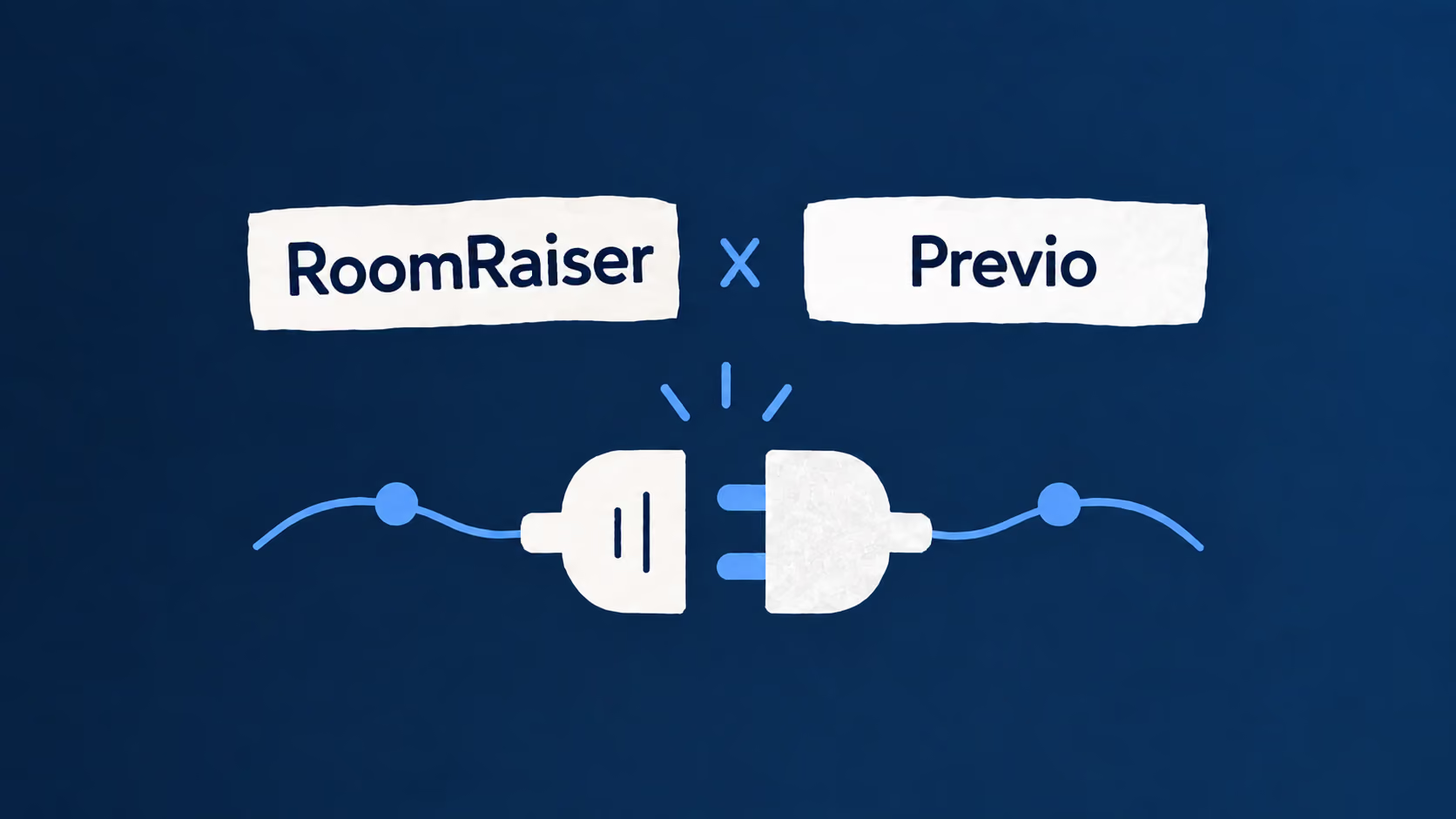
RoomRaiser’s automated RMS connects with the Previo PMS. Hotels using Previo can combine their property management and pricing workflows.
If you do not yet use a cloud-based PMS or would like to switch, request demo access to Previo at this link!
The benefits of Revenue Management systems for hotels
RoomRaiser’s cloud-based RMS helps small and medium-sized hotels set room rates. It considers occupancy, demand and market trends. The aim is to improve revenue and reduce the time spent on manual pricing.
By using our software together with a cloud-based PMS, hotels can automate many revenue management tasks, such as:
-
setting prices,
-
managing room inventory
-
forecasting demand.
Automation saves staff time and reduces the risk of manual errors. It helps the team keep rates aligned with its pricing strategy.
A cloud-based PMS and RMS can offer other benefits:
-
reduced IT development and operating costs: expensive hardware and software installations become unnecessary. Apart from custom requirements, most system-related updates become available free of charge and automatically.
-
scalability: cloud-based systems can easily adapt to a growing business without requiring significant infrastructure changes.
-
learning and development: reviewing a new PMS helps your team understand the tools available. It is a chance to rethink familiar processes and learn new ways of working. This can support better decisions and guest service.
Introducing a new Hotel PMS and RMS at the same time
Introducing a cloud-based PMS and RMS together lets you plan the connection from the start. The systems can share data and automate rate updates. This can reduce manual work and help control operating costs.
Planning both systems together also lets you check how they fit your hotel’s needs. Choose tools that can exchange the data your team needs. A connected setup can make it easier to adapt as the market and guest needs change.
Summary
In summary, using a cloud-based PMS and RMS offers many benefits to small and medium-sized hotels:
-
They offer greater flexibility, accessibility, and integration with other technologies, which can help streamline processes and increase revenue.
-
Switching to a cloud-based PMS and RMS can also reduce IT costs and provide a deeper understanding of technology systems. Hotels that want to streamline their operations and optimise their revenue should therefore consider making the switch.
-
By choosing a comprehensive IT solution that includes both a cloud-based PMS and RMS, hotels can take advantage of the latest technologies and keep pace—or gain an advantage—in an increasingly competitive market.
Using Previo and RoomRaiser together is an excellent way for your property to realise all the benefits listed above!