 English
 Magyar
In this guide What does a hotel channel manager do?
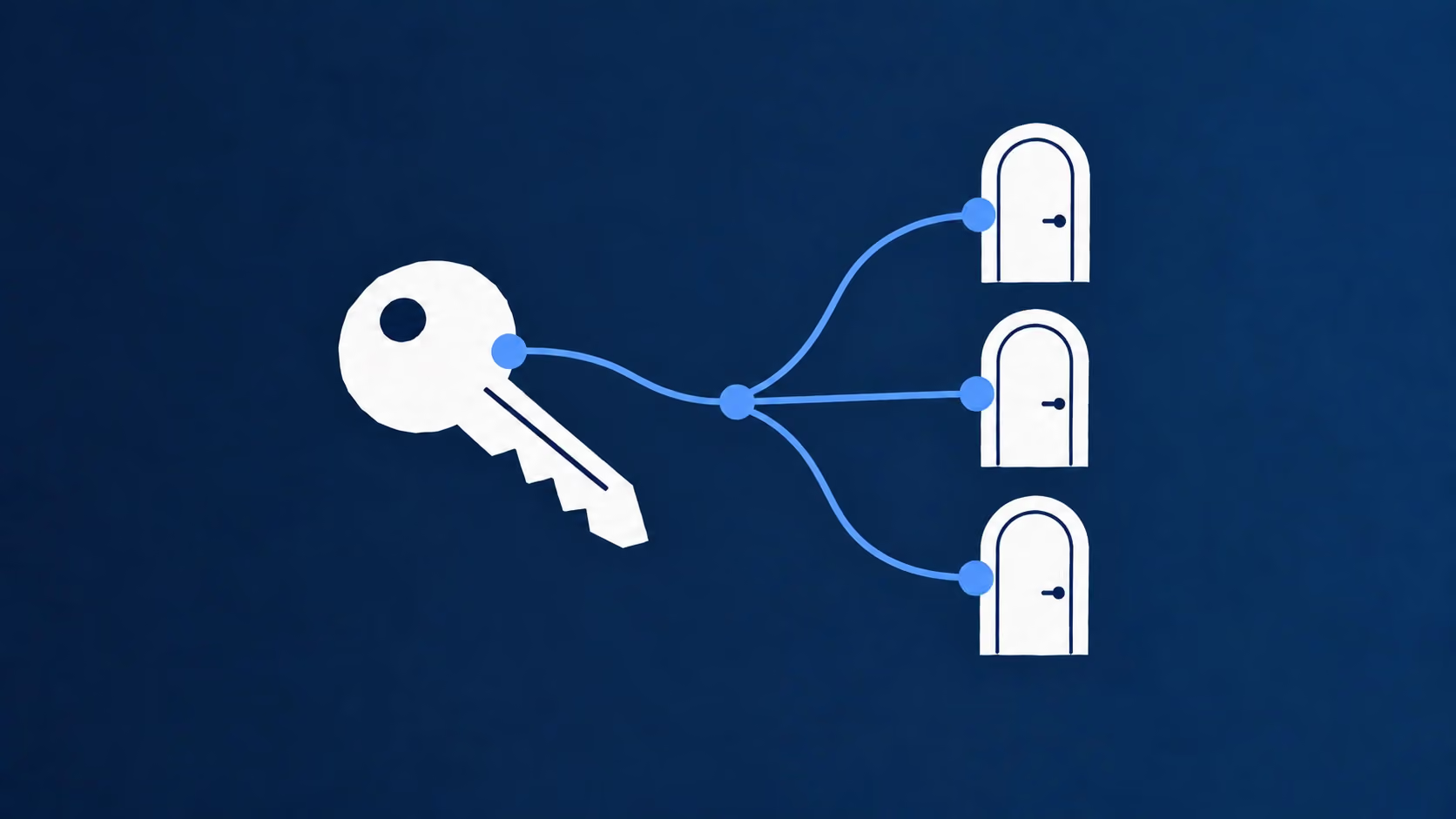
A hotel channel manager links a hotel’s internal systems with its online sales channels. It sends room availability, rates and booking rules out to those channels. In the other direction, it receives new bookings, amendments and cancellations, then passes them to the PMS or another designated system of record.
This two-way flow can significantly reduce manual channel updates, but only when mapping is accurate, failures are visible and each system has a clearly defined role. Not every connection is instant, and not every integration supports the same data.
What does a hotel channel manager do?
A channel manager acts as a translation and routing layer. Instead of changing rates and inventory separately in every online travel agency (OTA), the hotel records an approved update in a designated source system. The channel manager translates the hotel’s data into the codes used by each channel and sends it through the relevant connection.
The return journey matters just as much. When a guest makes or changes a booking, the channel sends its reference, stay dates, room type, rate plan, price and guest details. The channel manager matches that message to the correct internal product and passes it to the PMS or CRS.
For example, providers connected to Booking.com can manage information such as room availability, reservations and prices from their own systems. That does not mean every provider supports every function or data field in the same way.
Which information moves between the hotel and its channels?
Outbound distribution data is often organised around ARI: availability, rates and inventory. Google’s official documentation describes ARI as a pricing delivery method that controls nightly prices, availability and inventory, together with certain additional rules.
In practical hotel terms, a channel may need to know:
- how many rooms can be sold for a given date;
- which room types and rate plans are open;
- the price for each valid room-and-rate combination;
- how the price changes with occupancy;
- whether minimum-stay, closed-to-arrival or stop-sell rules apply;
- which cancellation, meal-plan or guarantee conditions belong to the offer.
A physically empty room is not necessarily bookable under every offer. A rate plan may be closed, a minimum stay may apply, or a price may be missing for the requested occupancy. This is why a channel manager often handles room-type, rate-plan and occupancy combinations rather than simply “rooms”.
Inbound messages can include new bookings, amendments and cancellations. The exact data and direction of travel depend on the agreements between the channel, connectivity provider, channel manager and PMS.
How does the two-way data flow work?
The exact system architecture varies, but the main sequence is usually consistent:
- The PMS, CRS, RMS or channel manager records an approved change to a rate, inventory level or restriction.
- The channel manager validates the date, internal codes and required fields.
- Mapping connects the hotel’s room type and rate plan with the corresponding channel identifiers.
- The update reaches the channel interface.
- The channel accepts the message or returns an error or warning.
- A new booking, amendment or cancellation travels back to the channel manager.
- The designated system of record receives the booking message, after which updated inventory can be sent to the other channels.
Here is the simplified flow:
Bidirectional data flow
Where the channel manager sits in the hotel technology stack
“Two-way” does not necessarily mean instant. Check which data moves, in which direction, how often, how acceptance is confirmed and what happens when a message fails.
Why are room and rate plan mappings critical?
Mapping connects the room types and rate plans used in the PMS or another internal system with the corresponding offer on each sales channel. An incorrect mapping can display the wrong price or conditions, reopen a closed offer or place a booking under the wrong room type.
Before go-live, test every active room-type and rate-plan combination. Include occupancy-based pricing, meal plans and cancellation terms, as well as the full journey for new bookings, amendments and cancellations.
How do PMS, channel manager, booking engine, RMS and BI differ?
| System | Primary role | What it should not be expected to do |
|---|---|---|
| PMS | Record reservations and day-to-day hotel operations | Distribute the full offer across multiple external channels unless it includes that capability |
| Channel manager | Route rates, inventory, restrictions and booking messages | Set an independent pricing strategy or manage the guest relationship |
| Booking engine | Take direct bookings on the hotel’s own website | Manage multiple external OTAs as one distribution network |
| RMS | Support or automate forecasting and pricing decisions | Serve as the operational reservation record |
| BI | Report KPIs and support management analysis | Send rates or inventory to sales channels |
Responsibilities depend on the property’s system configuration. For every important field, document which system creates it, which one approves it, which one distributes it and where the authoritative record is held.
To see how these systems support forecasting, pricing, distribution and performance review, read our practical guide to hotel revenue management.
What causes sync errors and overbookings?
A channel manager reduces manual work and the risk of stale inventory, but it cannot make errors impossible.
| Failure | How the team may detect it | First response | Recovery and escalation |
|---|---|---|---|
| Incorrect room or rate mapping | Unexpected product, price or channel error | Close the affected combination | Correct the mapping and retest the full journey |
| Delayed inventory update | The PMS and OTA show different availability | Check the queue and connection status | Apply the agreed safety control and escalate to the provider |
| Booking not delivered to the PMS | An OTA reference exists but there is no PMS record | Verify the booking in the channel | Follow the documented manual-entry or recovery process and prevent duplication |
| Repeated booking message | Several records share the same channel reference | Check the original reference | Retain the valid record and follow the duplicate-handling procedure |
| Manual OTA edit | One channel differs from the source system | Identify the difference and the user who made it | Restore the approved value and control or record manual changes |
| Connection outage | Errors, warnings or a growing message queue | Activate the outage procedure | Reduce exposure and process queued messages in a controlled order |
Preventing overbookings depends on several controls working together: accurate mapping, sufficiently fast updates, duplicate protection, visible errors, sensible cut-off rules and regular checks. For a small room pool or a peak date, one delayed booking can create a disproportionately large risk.
What does a worked booking sequence look like?
Consider a hotel with three sellable Deluxe Double rooms remaining across two connected channels.
Illustrative example
These times are illustrative, not a performance promise. The important control is the chain of references and confirmations. If the PMS does not accept A123, the team needs an alert and a fallback process before anyone assumes the booking has been recorded safely.
How should a hotel monitor the connection?
Daily monitoring should focus on exceptions rather than repeating every check by hand.
- Review failed rate and inventory updates.
- Check for undelivered bookings and messages that have remained in the queue too long.
- Investigate recurring errors, not only the latest individual message.
- After a bulk change, outage or night audit, compare what appears on priority channels.
- Keep an audit trail showing what changed, when it changed and which user or system made the change.
- Name an incident owner and document the rules for closing channels and restoring normal distribution.
Channel manager selection checklist
During a demo or technical review, ask:
- Which channels and versions of the hotel’s PMS does the connection support?
- Which data can be sent out, and which booking messages come back?
- Where are room types and rate plans mapped?
- How does the system handle derived rates and occupancy-based pricing?
- Can the team see whether a message was accepted, rejected or retried?
- Is reservation recovery or another documented fallback process available?
- How does the system prevent duplicate bookings?
- Who investigates integration failures, and how can the support team be reached?
- What happens during an outage and when the connection is restored?
- Can the hotel export the audit trail and error log?
Do not judge a channel manager only by the number of channels on its connectivity list. The more important commercial question is whether it can handle your room structure, rate plans and exceptions safely.
What should the hotel do next?
Map the current data flow: which system owns the rate, inventory, reservation and restriction; which channels are connected; and what happens when a message fails. Then test one room-and-rate combination from a rate change through a new booking, amendment and cancellation.
RoomRaiser is not a channel manager but a revenue management system (RMS). It uses reservation, occupancy and performance data from the PMS to support pricing decisions and pricing automation. If you would like to review how RoomRaiser’s pricing and BI solution could fit into your current PMS and channel manager workflow, request a free consultation.
Frequently asked questions
Does a channel manager prevent overbooking?
It can reduce the risk, but it cannot guarantee that overbooking will never occur. Mapping, processing time, connection health, duplicate protection and operational procedures all affect the outcome.
Are a channel manager and PMS the same thing?
No. A PMS records reservations and supports day-to-day hotel operations. A channel manager primarily moves rate, inventory, restriction and booking data to and from sales channels.
What does a two-way connection mean?
It generally means that rates and availability travel from the hotel towards the channel, while bookings, amendments and cancellations travel back. Always confirm the supported fields, directions and processing times for the specific integration.
What is channel manager mapping?
Mapping connects the hotel’s internal room and rate-plan codes with the identifiers used by each channel. Incorrect mapping can display the wrong rate, reopen a closed offer or assign a booking to the wrong product.